What Is Fascia on a House? 5 Purpose & Maintenance Tips
Understanding what fascia is on a house is important for homeowners who want to protect their roofline and maintain the overall structure of their home. Fascia is a key component of residential roofing systems, helping support gutters, protect roof edges, and improve the appearance of the home. While it may not always be the most noticeable part of a house, fascia plays an essential role in long-term roof performance.
In Central Texas, fascia faces a particularly demanding environment — intense UV exposure, extreme heat cycling, heavy spring rains, and the occasional freeze all accelerate wear on roofline components that many homeowners never think about until a gutter starts sagging or a water stain appears on the soffit. Knowing how fascia works and how to care for it helps homeowners prevent costly repairs and extend the life of their roofing system.
Homeowners should understand:
- Function: How fascia supports the roof and drainage system.
- Importance: Why fascia helps prevent water damage and structural issues.
- Maintenance: How to inspect and maintain fascia over time.
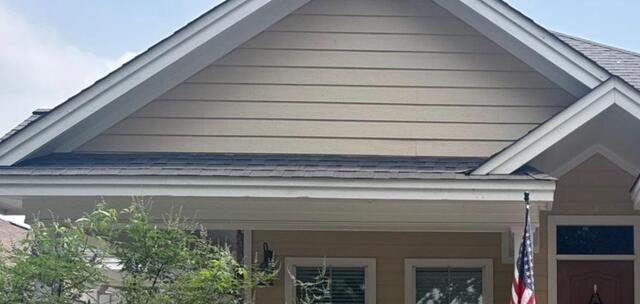
What Is Fascia and Why Does It Matter?
Fascia is the horizontal board that runs along the edge of a roof, typically installed where the roof meets the outer walls of the home. It is attached to the ends of the rafters and provides a smooth, finished edge along the roofline.
This component is essential because it connects several parts of the roofing system and helps protect the home from weather-related damage. Without fascia, the edges of the roof would be exposed to moisture, pests, and structural deterioration — all of which are genuine concerns in a Hill Country climate where summer humidity and heavy storm events are routine.
How Fascia Fits Into a Roofing System
Fascia works alongside other roofing components to maintain the integrity of the home's exterior. It is closely connected to soffits, gutters, and roofing materials.
- Connection point: Links the roof edge to the gutter system.
- Protective barrier: Shields exposed wood from moisture.
- Support structure: Helps maintain roofline stability.
Why Fascia Is Important for Home Protection
When properly installed and maintained, fascia helps prevent water damage and structural issues — both of which can be expensive to address after the fact.
- Water control: Directs water into gutters and away from the home's foundation.
- Moisture protection: Reduces the risk of rot and mold in the roofline.
- Structural support: Keeps roof edges secure over time.
5 Key Purposes of Fascia on a House
Fascia serves multiple functions that go beyond appearance. It plays a critical role in keeping roofing systems working properly and protecting the home from environmental exposure.
1. Supports the Gutter System
Fascia provides the surface where gutters are attached. Without strong fascia, gutters may sag, pull away from the home, or fail entirely — a particular concern in New Braunfels and the surrounding Hill Country, where heavy downpours can fill gutters quickly and put real weight on the attachment points.
- Gutter stability: Keeps gutters securely attached to the home.
- Water direction: Ensures proper drainage away from the foundation.
- Load support: Holds the weight of water-filled gutters during storm events.
2. Protects the Roof Edge
The edge of a roof is one of the most vulnerable areas on the entire structure. Fascia helps protect this section from weather exposure year-round.
- Weather barrier: Shields rafter ends from rain, moisture, and UV damage.
- Damage prevention: Reduces direct exposure to the elements.
- Long-term durability: Helps extend overall roof lifespan.
3. Improves Ventilation System Performance
Fascia works with soffits to support proper airflow into the attic. In a Texas climate, where attic temperatures can exceed 150°F on a summer afternoon, adequate ventilation is not optional — it directly affects shingle life, energy costs, and indoor comfort.
- Airflow support: Helps regulate attic ventilation.
- Moisture reduction: Prevents condensation buildup during humidity swings.
- Energy efficiency: Supports consistent indoor temperatures.
4. Enhances Exterior Appearance
Fascia contributes to the overall look of a home by creating a clean, finished roofline that ties the exterior together.
- Clean edges: Provides a smooth transition between roof and siding.
- Design consistency: Matches trim and exterior color schemes.
- Curb appeal: Improves overall home appearance and resale value.
5. Supports Roofing Materials
Fascia helps secure the lower edge of roofing materials and supports installation components at the eave line.
- Edge alignment: Keeps shingles properly positioned at the roof edge.
- Installation support: Provides a base for drip edge and trim.
- System stability: Contributes to overall roof performance and weather resistance.
Common Fascia Problems Homeowners Should Know
Over time, fascia can experience wear and damage due to weather exposure and moisture. Identifying problems early helps prevent more serious — and more expensive — issues down the road.
Signs of Fascia Damage
Homeowners should regularly inspect fascia for visible signs of deterioration, especially after major hail or storm events.
- Rotting wood: Soft or crumbling fascia indicates moisture damage.
- Peeling paint: May signal water exposure, prolonged UV damage, or aging material.
- Sagging gutters: Often caused by weakened fascia boards that can no longer hold fasteners securely.
Causes of Fascia Damage
Several factors contribute to fascia deterioration over time. In Central Texas, these causes are often accelerated compared to cooler, drier climates.
- Clogged gutters: Overflowing water runs directly onto fascia and soaks the wood repeatedly.
- Poor drainage: Improper water flow increases prolonged moisture exposure.
- Weather conditions: The heat, humidity, UV intensity, and occasional freeze-thaw cycles in the Hill Country all accelerate wear on roofline wood.
Fascia Materials and Their Differences
Fascia boards are available in different materials, each offering unique benefits and maintenance requirements. Choosing the right material can significantly impact long-term durability — especially in a Texas climate.
Wood Fascia
Wood is the traditional fascia material and is common in older homes throughout the New Braunfels area.
- Natural appearance: Matches many home styles and existing trim profiles.
- Affordable option: Lower upfront material cost.
- Maintenance needs: Requires regular painting and sealing to resist moisture damage. In high-humidity environments, maintenance intervals are shorter.
PVC Fascia
PVC fascia is a low-maintenance alternative that resists moisture and weather damage — a good fit for homes under significant tree canopy or in areas with frequent rain exposure.
- Water resistance: Does not rot or absorb moisture.
- Low maintenance: Minimal upkeep required over its lifespan.
- Durability: Long-lasting and resistant to warping in temperature extremes.
Aluminum-Wrapped Fascia
Aluminum fascia is often installed over existing wood to provide an additional layer of protection without full replacement.
- Protective layer: Shields underlying wood from direct weather exposure.
- Low maintenance: Eliminates the need for regular repainting.
- Long lifespan: Resistant to corrosion, UV fading, and impact damage.
Fascia Maintenance Tips for Long-Term Performance
Proper maintenance helps extend the lifespan of fascia and prevents costly repairs. Regular upkeep ensures the roofline remains protected through whatever Central Texas weather delivers.
Routine Inspection and Cleaning
Inspecting fascia regularly — ideally each spring before storm season and each fall — allows homeowners to identify issues before they worsen.
- Visual inspections: Look for cracks, soft spots, rot, or discoloration.
- Gutter cleaning: Prevents water overflow from saturating the fascia board.
- Debris removal: Keeps roof edges and gutters clear after storms.
Repairing Minor Fascia Damage
Small issues can often be addressed before they require full replacement.
- Seal small cracks: Prevents moisture from penetrating the wood.
- Replace sections: Damaged areas can often be repaired individually rather than replacing the full run.
- Repaint surfaces: Fresh paint on wood fascia provides meaningful protection against weather exposure.
When to Replace Fascia
In some cases, fascia damage has progressed beyond repair and full replacement is the right call.
- Severe rot: Extensive moisture damage compromises structural integrity.
- Structural weakness: Fascia can no longer support the gutter system adequately.
- Widespread damage: Multiple sections are affected and patchwork repairs are no longer cost-effective.
Protect Your Roofline With Proper Fascia Care
Fascia plays an important role in protecting your home's roofline, supporting your gutters, and maintaining the overall structural integrity of your roof system. Understanding what fascia does helps homeowners recognize problems early and take action before a small maintenance issue becomes a major repair.
At Klaus Roofing Systems of Texas Hill Country, we provide roof repair, full roof replacements, gutter installation, and complete exterior services to help homeowners maintain every part of their residential roofing system — including fascia and soffits. Our team focuses on identifying issues early and providing solutions built for the specific demands of the Texas Hill Country climate.
If you have concerns about your fascia, gutters, or roofline, contact Klaus Roofing today to schedule a free inspection. We'll evaluate your roofline and give you an honest recommendation on the best path forward.
📞 Call 1-830-214-0441 or visit krsoftxhillcountry.com to schedule your free, no-obligation inspection.
Klaus Roofing Systems of Texas Hill Country · 1965 Post Rd Suite 208, New Braunfels, TX 78130 · Contractor ID: 231578 · Serving New Braunfels, Canyon Lake, San Marcos, Seguin, Bulverde, Boerne, San Antonio, and the surrounding Hill Country region. ¿Habla Español? También ofrecemos atención en español.
Written by the Klaus Roofing Systems of Texas Hill Country team — GAF Certified · IKO RoofPro Select Certified · Klaus Roofing Systems Authorized Dealer · Certified Master Craftsman · BBB Accredited