What Are Impact Resistant Shingles? 5 Reasons to Upgrade Now
Understanding impact resistant shingles is important for homeowners looking to protect their roof from storm damage and extend the lifespan of their roofing system. These shingles are specifically designed to withstand impacts from hail and debris — making them one of the most practical roofing upgrades available for homes in Central Texas, where hail is not a rare event but a near-annual reality.
Compared to standard asphalt shingles, impact resistant shingles are built with reinforced materials that improve durability and reduce the risk of damage. Texas leads the United States in hail damage insurance claims. For homeowners in New Braunfels, Canyon Lake, Seguin, and the surrounding Hill Country, that statistic is not abstract — it shows up as cracked shingles, granule loss, and insurance claims after storms that roll through Comal and Hays counties with little warning.
Homeowners should understand:
- What impact resistant shingles are: How they differ from standard roofing materials.
- Performance benefits: Why they are designed for durability in demanding climates.
- When to upgrade: Situations where they provide the most value.
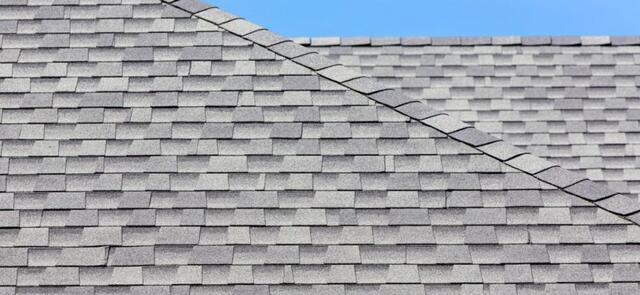
What Are Impact Resistant Shingles?
Impact resistant shingles are asphalt shingles engineered with additional reinforcement to help resist damage from hail and debris. These shingles are tested and rated based on their ability to withstand impact without cracking or breaking.
They are commonly rated using a Class 4 impact rating — the highest level of resistance available for asphalt shingles — and that rating carries real weight in the Texas insurance market.
How Impact Resistance Works
Impact resistant shingles are designed with materials that absorb or deflect impact energy, reducing the chance of damage during a hail event.
- Reinforced layers: Additional materials — including polymer-modified asphalt and rubberized backing — increase the shingle's structural strength.
- Flexible construction: Helps shingles flex on impact rather than crack or fracture.
- Rigorous impact testing: Class 4 shingles must pass standardized testing before receiving the rating.
What Is a Class 4 Rating?
A Class 4 rating indicates that shingles have passed a standardized impact test designed to simulate hail strike conditions.
- Steel ball test: Shingles are tested using a 2-inch steel ball dropped from a defined height to simulate large hail.
- No cracking requirement: Shingles must show no visible cracking to pass.
- Highest rating available: Class 4 offers the best impact protection in the asphalt shingle category.
5 Reasons to Upgrade to Impact Resistant Shingles
Upgrading to impact resistant shingles provides several long-term benefits — and in a market like Central Texas, those benefits are more tangible than in most parts of the country.
1. Improved Storm Protection
Impact resistant shingles are designed to handle hail and wind-driven debris more effectively than standard shingles, which matters in a region where spring storm season can bring multiple hail events in a single year.
- Hail resistance: Significantly reduces damage from direct hail impacts.
- Wind durability: Helps shingles stay properly seated during high-wind events.
- Fewer storm-related repairs: Less granule loss and cracking means fewer service calls after storms.
2. Longer Roof Lifespan
Because they are more durable, impact resistant shingles can last longer than traditional roofing materials — even under the compounding stress of Texas heat, UV exposure, and storm activity.
- Material strength: Reinforced construction extends lifespan beyond standard shingles.
- Less cumulative wear: Reduced damage accumulation over time keeps the system performing longer.
- Better performance in heat: Quality Class 4 shingles are designed to resist cracking under thermal cycling, which is a real concern in a climate with 100°F summers.
3. Real Insurance Savings in Texas
This is where impact resistant shingles deliver a financial benefit that is particularly meaningful for Central Texas homeowners. Many Texas insurance carriers offer premium discounts of 15–30% annually for homes with Class 4 rated roofing — often translating to $200–$500 or more per year in savings depending on your policy and carrier.
- Lower premiums: Verified Class 4 rating can qualify your home for significant discounts.
- Reduced claims frequency: Stronger roofs sustain less damage, which protects your claims history.
- Added long-term value: Annual savings frequently offset the cost difference between standard and Class 4 shingles within a few years.
Ask your insurance carrier specifically about Class 4 discounts before your next roof replacement — many homeowners leave this savings on the table simply because they didn't request it.
4. Better Long-Term Value
While impact resistant shingles cost more upfront than standard asphalt, the math over a 20–30 year roof lifespan often favors the upgrade — especially in a high-hail market.
- Fewer repairs: Reduced maintenance costs between replacements.
- Extended lifespan: Delays the need for full roof replacement.
- Lower total cost of ownership: When insurance savings and reduced repair frequency are factored in, Class 4 shingles frequently cost less over time.
5. Increased Whole-Home Protection
A stronger roof helps protect the entire home structure from weather-related damage — including interior contents, insulation, and structural components that are expensive to address once water has penetrated.
- Water prevention: Fewer breaches mean a lower risk of leaks and interior water damage.
- Structural protection: Protects underlayment, decking, and attic materials from weather intrusion.
- Peace of mind: Reliable performance during the storm events Central Texas homeowners can count on facing.
Why Impact Resistant Shingles Are Especially Relevant in Central Texas
Minnesota gets cited frequently in roofing discussions about hail — but Texas actually leads the nation in hail damage claims, and Comal County is no exception. The Hill Country sits in a geographic zone where Gulf moisture meets drier continental air masses, producing the kind of severe spring and early summer storm activity that sends hailstones through standard shingles on a regular basis.
Beyond hail, Central Texas roofing systems face a set of compounding stresses that standard shingles handle less gracefully:
Common Weather Challenges in the Hill Country
- Hail storms: Comal, Hays, and Guadalupe counties see regular hail events ranging from marble-size to baseball-size during peak storm season.
- Extreme heat and UV: Summer temperatures above 100°F combined with intense solar radiation accelerate granule loss and shingle degradation — particularly on south- and west-facing roof planes.
- Flash flooding rain events: Heavy, concentrated rainfall tests drainage systems and shingle integrity simultaneously.
- Occasional freeze events: While less frequent than in northern states, winter freezes do occur and can stress already-compromised shingles.
How Impact Resistant Shingles Perform in This Climate
- Hail resistance: Significantly reduces cracking and granule loss from direct impact.
- Heat and UV durability: Quality Class 4 products use polymer-modified construction that holds up better under prolonged heat exposure than standard shingles.
- Long-term reliability: Handles repeated weather exposure across a demanding four-season cycle.
Installation and Cost Considerations
Impact resistant shingles typically cost more than standard asphalt shingles — usually in the range of 10–20% more per square foot depending on the product — but the added durability, reduced repair frequency, and insurance savings make them a practical investment for most Central Texas homeowners.
Cost Differences
- Higher upfront cost: More expensive than standard shingles at installation.
- Material quality: Reinforced construction and testing certification add to the price.
- Long-term savings: Reduced repairs, longer lifespan, and insurance discounts frequently offset the cost difference over time.
Installation Process
Installation is similar to standard asphalt shingles but requires contractors experienced with Class 4 materials to ensure the product performs as rated.
- Professional installation: Proper installation is essential — a Class 4 shingle installed incorrectly won't perform to its rating.
- Manufacturer certification: Working with a certified contractor like Klaus Roofing ensures access to the full manufacturer warranty on qualifying products.
- Post-installation documentation: Your contractor should provide documentation of the Class 4 rating for submission to your insurance carrier to capture any applicable discount.
FAQs About Impact Resistant Shingles
Are impact resistant shingles worth it in Central Texas? Yes — for most Hill Country homeowners, Class 4 shingles are worth the upgrade. The combination of frequent hail exposure, intense UV, and available insurance discounts makes the cost difference easier to justify here than in many other markets. If your roof is due for replacement anyway, upgrading to Class 4 at that point costs relatively little incrementally.
Do impact resistant shingles reduce insurance costs in Texas? Many Texas carriers offer discounts of 15–30% for Class 4 rated roofing. The specific discount depends on your carrier and policy, but it's worth a direct conversation with your insurance agent before choosing a shingle product. Klaus Roofing can provide the documentation your carrier needs to apply the discount.
How long do impact resistant shingles last compared to standard shingles? Impact resistant shingles generally outlast standard asphalt shingles due to their reinforced construction and greater resistance to cumulative storm damage. In a Texas climate, where heat and UV accelerate the aging process on standard shingles, the durability gap is often more pronounced than in cooler markets.
Can impact resistant shingles prevent all roof damage? No roofing material eliminates damage entirely. Extreme hail events can still cause damage to Class 4 shingles. What they do is substantially reduce the frequency and severity of damage from moderate hail events — which are far more common than catastrophic ones — and that reduction translates directly into fewer repairs and fewer insurance claims over the life of the roof.
Does Klaus Roofing install Class 4 impact resistant shingles? Yes. We install Class 4 impact resistant shingle systems and can walk you through the product options, warranty coverage, and insurance documentation process as part of every roof replacement project.
Upgrade Your Roof With Materials Built for Texas Weather
Impact resistant shingles provide an added layer of protection that makes a meaningful difference for homes in hail-prone regions — and few regions in the country see more hail activity than Central Texas. Understanding how these shingles work helps homeowners make informed decisions when planning a roof replacement rather than simply defaulting to whatever standard product is on the truck.
At Klaus Roofing Systems of Texas Hill Country, we install Class 4 impact resistant shingle systems, handle the full insurance claims process, and provide the documentation homeowners need to capture available discounts from their carrier. As a GAF Certified Contractor, IKO RoofPro Select Certified contractor, and Klaus Roofing Systems Authorized Dealer, we have access to the product lines and warranty programs that make a Class 4 upgrade worthwhile.
If you are considering upgrading to impact resistant shingles or planning a roof replacement, contact Klaus Roofing today to schedule a free inspection. We'll give you an honest assessment of your current roof and a clear picture of whether Class 4 is the right call for your home.
Call 1-830-214-0441 or visit KRSofTXHillCountry.com to schedule your free, no-obligation inspection.
Klaus Roofing Systems of Texas Hill Country · 1965 Post Rd Suite 208, New Braunfels, TX 78130 · Contractor ID: 231578 · Serving New Braunfels, Canyon Lake, San Marcos, Seguin, Bulverde, Boerne, San Antonio, and the surrounding Hill Country region. ¿Habla Español? También ofrecemos atención en español.
Written by the Klaus Roofing Systems of Texas Hill Country team — GAF Certified · IKO RoofPro Select Certified · Klaus Roofing Systems Authorized Dealer · Certified Master Craftsman · BBB Accredited