Drip Edge, Fascia & Gutter Prep: The Eave Detail That Determines How Long Your Texas Roof Lasts
The transition between roof and wall is where most premature roof failures begin. Not in the field of the shingles, but at the edge — where the roof deck meets the fascia, where the gutter attaches, where underlayment is supposed to wrap properly into the drip edge, and where small details done poorly produce big problems years later.
Gutter and eave prep during a reroof is the single most under-respected part of a Hill Country roof replacement. The difference between a roof that lasts 25 years and one that fails in 15 is often hidden in a 6-inch transition zone that most homeowners never see and most cheap contractors never address.
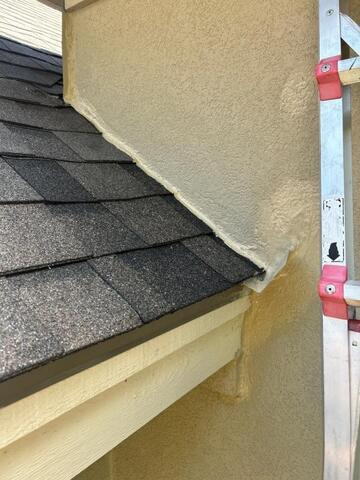
In Central Texas, the stakes are amplified. Heavy spring rain events, intense UV that degrades exposed underlayment rapidly, high humidity cycling, and occasional freeze events all put pressure on this eave zone in ways that reveal poor workmanship faster than most climates. This guide covers what proper drip edge, fascia, and gutter prep looks like during a reroof, what cheap installs skip, and what every premium reroof scope should specify in writing.
At Klaus Roofing Systems of Texas Hill Country, we walk every reroof's drip edge and fascia detail during scope writing. The patterns are consistent: budget reroofs skip steps in this zone, and the consequences show up years later as rotted fascia, gutter failure, and premature shingle deterioration.
TL;DR
Proper Hill Country reroof eave prep includes fascia inspection and replacement where needed, new drip edge installation, underlayment wrap into the gutter zone, gutter inspection or replacement coordination, and kickout flashings at all roof-wall transitions. Cost additions: fascia replacement $5–$12 per linear foot, premium drip edge $1–$3 per linear foot, kickout flashings $50–$150 each, gutter coordination as needed. Total premium for proper eave detail: $1,000–$3,500 on a typical Central Texas reroof. Skipping this is the most common reason roofs fail before they should.
Why the Eave Detail Matters More Than the Field
Field shingles handle a simple task: water hits them, runs down the slope, exits at the eave. The complex work happens at the eave. Multiple systems converge at this zone — shingle, underlayment, drip edge, fascia, gutter, and kickout flashing. Each component has to integrate properly with the others, or water finds the seams.
When water gets behind the gutter or under the drip edge in a Texas climate:
- Fascia rots from chronic moisture exposure — accelerated by the humidity cycling that Hill Country summers produce
- Soffit ventilation paths get blocked, driving up attic temperatures and shortening shingle life
- Wall sheathing behind the gutter wets and rots through repeated exposure to heavy rain runoff
- Exposed underlayment at the eave degrades rapidly under UV without proper metal coverage
- Shingle underlayment fails from below as moisture works up through the eave zone
None of these are visible from the ground until significant damage has occurred. The first sign is often a leak inside — by which time the underlying damage is years old.
Component by Component: What Proper Prep Looks Like
Fascia Inspection
Before new drip edge goes on, every linear foot of fascia gets inspected. The crew probes for soft spots, looks for water staining, and checks the back side — visible from the gutter side or after the existing gutters are removed. Rotten or soft fascia gets cut out and replaced before any new roofing material is installed.
Common fascia damage patterns we see on Hill Country homes:
- Rot at corners where water concentrates and sits
- Soft spots behind gutters that have been overflowing or holding debris
- Damage at chimney and valley transitions where flashing has failed and directed water onto the fascia board
- UV and moisture cycling damage on older painted wood fascia on south- and west-facing eaves
Fascia replacement cost: $5–$12 per linear foot for paint-grade pine or fiber cement replacement. For a typical home with 200 feet of fascia, expect $0–$2,400 in replacement depending on the extent of damage found.
Drip Edge Installation
Drip edge is the L-shaped metal flashing that runs along the eave — and sometimes the rake — under the underlayment and above the fascia. It directs water off the roof edge into the gutter and away from the fascia face. In a climate with the rainfall intensity Central Texas sees, this component is non-negotiable.
Premium installs use:
- Heavy-gauge aluminum or galvanized steel — not the thin minimum-spec product many budget contractors stock
- Color-matched to the roof or trim aesthetic
- Properly hemmed edges that don't cut or abrade the underlayment over time
- Continuous installation along the entire eave with proper overlaps at corners
- Proper kick-out at the gutter line that directs water into the gutter, not behind it
Cheap installs skip drip edge entirely or use minimum-thickness material that corrodes or deforms within a few years. The marginal cost of premium drip edge is small — $1–$3 per linear foot — but the durability difference over a 25-year roof lifespan is significant.
Underlayment Integration at the Eave
In Texas, the primary eave-zone moisture threat is not ice dam meltwater — it's heavy, wind-driven rain and the capillary action that pulls water back up under shingles at the eave line during prolonged storm events. Premium installs run the eave underlayment membrane down over the drip edge and into the gutter zone, creating a continuous water-shedding surface from the deck to the gutter with no exposed gaps.
This detail prevents driven rain and runoff from finding seams at the eave — the most common entry point for water in budget reroof installations.
Gutter Coordination
If existing gutters are still functional, the reroof crew should detail the new drip edge and eave underlayment to integrate with the existing gutter without disturbing it. If gutters are being replaced as part of the project, the timing matters — gutters typically come off before drip edge installation and go on after, to allow proper layering and integration.
For aging gutters that aren't being replaced this round but will need replacement within a few years, the eave prep should be designed to accommodate future gutter replacement without disturbing the new roof. Klaus Roofing installs and services seamless gutters and downspouts, which means we can coordinate gutter work as part of the same project scope rather than requiring a second contractor and a second mobilization.
Kickout Flashings
The most-skipped detail in residential roofing — in Texas and everywhere else. Kickout flashings (also called diverter flashings) install at the bottom of step flashing where a sloped roof meets a vertical wall, typically where a two-story wall meets a first-floor roof section. They direct water away from the wall and into the gutter rather than letting it run behind the siding.
Without kickout flashings, water from the roof slope follows the wall surface down behind the siding, saturating wall sheathing and producing eventual interior leaks. In the Hill Country's heavy rain events, the volume of water involved makes this failure happen faster than in lower-rainfall climates. The damage isn't visible until significant rot has occurred.
Most pre-2010 homes in the New Braunfels area don't have kickout flashings. Most premium reroofs add them as a matter of course.
Cost: $50–$150 each installed. Most homes need 2–6 depending on roof complexity and the number of roof-wall transitions.
What You Should See on a Proper Reroof Bid
Premium scopes specify each eave element explicitly:
- Fascia inspection and replacement rate: "Per-foot rate for fascia replacement: $X. Estimate based on visual inspection: Y feet."
- Drip edge specification: brand, gauge, color
- Eave underlayment coverage: from where to where, including wrap-into-gutter-zone detail
- Gutter coordination plan: remove and reinstall, replace, or work around existing gutters
- Kickout flashings: count and specific locations called out
If a bid doesn't address these items, the contractor is either skipping them or planning to bill them mid-project as "discoveries." Either way, push for written specification before signing. A contractor who resists putting eave detail in writing is telling you something.
Common Eave Detail Failures We See on Budget Reroofs
Patterns from work we are called in to repair or inspect:
- No drip edge. Underlayment runs to the edge, exposed to UV and rain, with no metal directing water into the gutter. Degradation begins within a few years under Texas UV.
- Drip edge installed in the wrong sequence. Installed underneath the underlayment when it should be above, or in a configuration that allows water to run between layers.
- Underlayment cut short at the eave. Doesn't wrap into the gutter zone, leaving a gap where driven rain can enter during storm events.
- Rotten fascia left in place. Soft or deteriorated wood under the new drip edge. Gutter hangers eventually pull through the rot, leading to gutter failure and accelerated fascia damage.
- Missing kickout flashings. Roof-wall transitions never properly diverted. Wall sheathing rot is essentially inevitable over time.
- Damaged gutters left in place. The budget install doesn't disturb existing gutters, but the gutters were leaking or sagging before and continue to do so after — directing water onto the new fascia from day one.
What Premium Eave Prep Adds to the Project Cost
| Item | Cost on Typical Home |
|---|---|
| Fascia replacement (typical 8 ft + corners) | $60–$240 |
| Premium drip edge upgrade (200 lf) | $200–$600 |
| Eave underlayment extension (wrap into gutter zone) | $200–$500 |
| Kickout flashings (3–4 typical) | $150–$600 |
| Gutter coordination labor | $200–$600 |
| Total premium prep | $810–$2,540 |
For a typical Central Texas reroof, premium eave prep adds 3–10% to the project cost. The longevity benefit is significant — proper eave detail is one of the primary factors separating 25-year roof performance from 15-year roof performance on otherwise identical shingle systems.
Frequently Asked Questions
What is drip edge and why does it matter on a Texas roof? Drip edge is the metal flashing along the eave that directs water off the roof edge into the gutter and away from the fascia face. Without it, water can wick back under the underlayment and degrade the fascia — a particular concern in a high-rainfall climate where the eave zone sees significant water volume during storm events.
Do I need new fascia during a reroof? Only where the existing fascia is damaged. Quality scopes inspect every linear foot and replace only what needs replacing. Cost runs $5–$12 per linear foot for replacement. The key is that a thorough inspection happens before new roofing material is installed — not after.
What is a kickout flashing? A small flashing installed at the bottom of step flashing where a sloped roof meets a vertical wall, directing water into the gutter rather than behind the siding. Most pre-2010 homes in the New Braunfels area don't have them. Most premium reroofs add them because the cost of installing them ($50–$150 each) is far lower than the cost of repairing the wall rot that develops without them.
Should my contractor remove and reinstall the gutters during a reroof? It depends on gutter condition and age. If gutters are functional, a careful work-around is possible. If the gutters are aged, sagging, or otherwise compromised, removing and reinstalling — or replacing them at the same time — is the right call. Klaus Roofing installs seamless gutters and can coordinate this as part of the same project.
How do I know if a contractor is doing the eave detail properly? Ask for written specification of drip edge gauge and color, underlayment coverage at the eave, fascia inspection process, and kickout flashing count. The presence of these specifications in a written bid signals quality. Their absence signals shortcuts.
Where to Start
If you're collecting reroof bids in New Braunfels, Canyon Lake, San Marcos, or the surrounding Hill Country, ask each contractor to specify the eave detail in writing. Compare bids on the eave specification, not just the total price. The contractor with the most thorough written eave scope is almost always the one who will deliver a longer-lasting roof.
At Klaus Roofing Systems of Texas Hill Country, we write the eave detail into every bid — fascia inspection rates, drip edge specification, underlayment coverage, gutter coordination plan, and kickout flashing count. If you'd like to see what a properly scoped reroof bid looks like, we're glad to walk you through it.
📞 Call 1-830-214-0441 or visit krsoftxhillcountry.com to schedule your free, no-obligation inspection and estimate.
Klaus Roofing Systems of Texas Hill Country · 1965 Post Rd Suite 208, New Braunfels, TX 78130 · Contractor ID: 231578 · Serving New Braunfels, Canyon Lake, San Marcos, Seguin, Bulverde, Boerne, San Antonio, and the surrounding Hill Country region. ¿Habla Español? También ofrecemos atención en español.
Written by the Klaus Roofing Systems of Texas Hill Country team — GAF Certified · IKO RoofPro Select Certified · Klaus Roofing Systems Authorized Dealer · Certified Master Craftsman · BBB Accredited