How This Texas Heat Is Quietly Wearing Out Your Roof (And Simple Checks You Can Do From the Ground)
Around here in New Braunfels and across the Texas Hill Country, July heat doesn’t just make the house uncomfortable — it’s working on your roof every single afternoon. We’ve been up on enough roofs and in enough attics this time of year to see the pattern pretty clearly.
The combination of intense sun, high temperatures, and sometimes poor ventilation is aging asphalt shingles faster than most homeowners realize. Roof surfaces can easily hit 150 degrees or more on a normal summer day. That constant heating and cooling, plus the UV beating down, breaks down the materials quicker than in cooler climates.
The good news? A lot of the early warning signs are visible without ever climbing on the roof. Here’s what’s actually happening and a practical checklist you can run through this weekend from the ground or inside your attic.
Why Texas Summer Heat Hits Roofs Harder
It’s not just the heat you feel outside. There are two main things working against your roof:
First, thermal expansion and contraction. Every day the roof gets extremely hot, then cools off at night. This repeated movement causes shingles to crack, curl at the edges, and warp over time. The sealants around vents and flashing also dry out and lose their grip faster.
Second, UV damage. The intense Texas sun breaks down the asphalt in the shingles and strips away the protective granules that give them their color and durability. Once those granules are gone, the shingles become brittle and wear out quicker.
When you add poor attic ventilation into the mix, it gets worse. On a hot day, an unventilated or poorly ventilated attic can reach 140–150 degrees. That heat sits right under the roof deck, essentially baking it from the inside. Over time this accelerates shingle aging, can cause the decking to dry out or warp, and sometimes leads to moisture problems when the hot air cools and condenses.
We see this combination a lot on roofs that are 8–15 years old. The shingles look okay from the street, but they’re aging faster than they should because of what’s happening underneath.
Simple Checks You Can Do This Weekend
You don’t have to get on the roof to spot early trouble. Here are the things we recommend homeowners look at during the summer:
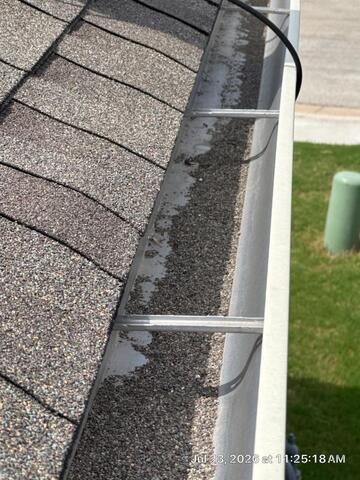
1. Check what’s collecting in your gutters Walk around the house and look in the gutters (or at the bottom of downspouts). If you’re seeing a lot of black, sand-like granules, that’s the protective coating coming off the shingles. A little is normal as shingles age, but a heavy buildup usually means they’re losing granules faster than they should — often from heat and UV.
2. Look at the shingles from the ground or a second-story window Grab a pair of binoculars if you have them. Scan for shingles that are curling up at the edges, cracked, or starting to look “bald” in spots where the granules have worn away. Also watch for any areas that look darker or have a different texture than the rest of the roof. These are classic signs that heat and sun are breaking the shingles down.
3. Inspect around vents, chimneys, and skylights From the ground, look at the flashing and sealant where pipes, vents, or chimneys come through the roof. Heat makes these materials expand, contract, and eventually crack or pull away. If you see cracked sealant, lifted flashing, or gaps, that’s worth noting. Water can find its way in during the next big rain even if everything else looks fine.
4. Take a look in the attic (if it’s safe and accessible) If you can comfortably get into your attic, spend a few minutes up there. Feel the underside of the roof decking in a few different spots. Does it feel unusually hot or soft in places? Look for dark spots, staining, or any signs of moisture. Also check whether your bathroom and kitchen exhaust fans are venting all the way outside (not just dumping hot, moist air into the attic). Good ventilation should be moving hot air out, not letting it bake everything.
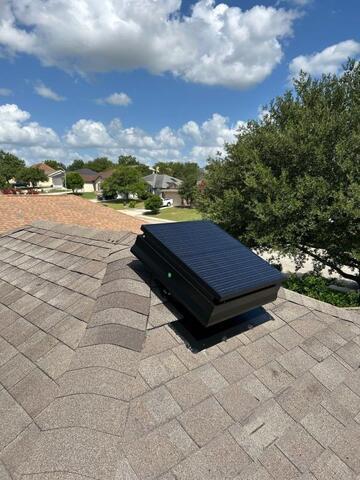
5. Check your soffit and ridge vents From the ground or with binoculars, look at the soffit vents (under the eaves) and ridge vent along the peak of the roof. Are they blocked by insulation that was blown in too close, old paint, debris, or even bird nests? Blocked vents trap heat and moisture, which is one of the fastest ways to shorten a roof’s life and drive up your cooling bills.
6. Pay attention to your energy bill and upstairs comfort This one’s easy. If your upstairs stays noticeably hotter than the downstairs even with the AC running, or if your electric bill has jumped without a clear reason, poor attic ventilation is often part of the problem. When the attic is too hot, that heat radiates down into your living space and makes the AC work much harder.
7. Quick look at trees and debris While you’re walking around, check whether any tree limbs are touching or hanging over the roof. In the heat, branches can rub against shingles and wear them down faster. Also clear out any built-up leaves or debris in valleys or around vents if it’s safe to do so from a ladder on the ground.
What We See Most Often
The roofs that hold up best through our summers usually have two things in common: decent ventilation and regular attention to the small stuff before it turns into leaks.
When ventilation is poor, we often find decking that’s dried out or starting to show heat damage, even when the shingles on top still look decent from the street. Fixing the airflow (adding or clearing vents, sometimes adding a ridge vent) can make a real difference in how long the roof lasts and how comfortable the house feels.
None of this means you automatically need a new roof. A lot of times the fix is simpler — better ventilation, sealing around penetrations, or just catching a small issue before it spreads.
Bottom Line
Texas heat is tough on roofs, but catching the early signs gives you options. Running through this quick checklist a couple times a year (especially before and after the hottest months) helps you stay ahead of problems instead of reacting to them later.
If you go through the list and notice a few things that worry you, or you just want someone who’s been up on a lot of these roofs to take a look and give you an honest read on what’s going on, feel free to reach out. We’re local, we’re happy to help neighbors get some peace of mind, and there’s never any pressure.
Stay cool out there.