Does Homeowners Insurance Cover a Roof Leak in Texas?
If water starts showing up on your ceiling, one of the first things most homeowners wonder is whether their insurance might help. The answer usually comes down to what caused the leak and how your specific policy is written.
Texas policies generally lean toward covering sudden damage. They’re less likely to cover roofs that have simply worn out over time or issues that could have been caught and fixed earlier. That’s the distinction adjusters look at most of the time.
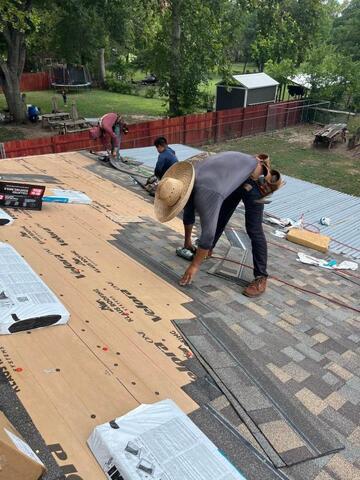
Situations where coverage is more common
Many standard homeowners policies in Texas may help with a roof leak when it stems from a sudden event. Examples that often qualify include:
- Hail that cracks or bruises shingles
- Strong winds that lift or tear shingles
- A falling tree limb or other object that creates an opening
- Fire or lightning that damages the roof surface
In those cases, dwelling coverage can sometimes pay to repair or replace the affected parts of the roof. Personal property coverage may also apply to wet drywall, insulation, flooring, or belongings if the water got inside.
Situations where coverage is less likely
Claims tend to run into trouble when the leak appears tied to gradual wear or maintenance issues. Common reasons adjusters cite for denials include:
- Shingles that have aged and lost their ability to shed water
- Flashing or sealant that was already compromised
- Installation problems from years earlier
- Damage from animals or insects
- Slow leaks that developed over time rather than all at once
Even after a storm, an adjuster may decide the real cause was an already weakened roof. That happens often enough in Texas that it’s worth knowing up front.
What the payout can look like
Two factors usually decide how much you might receive:
- RCV vs. ACV Replacement Cost Value policies generally aim to cover the cost of putting comparable materials back on. Actual Cash Value policies subtract depreciation, so older roofs often result in lower checks.
- Wind and hail deductible A lot of Texas policies use a percentage of the home’s insured value instead of a flat dollar amount. A 1% deductible on a $400,000 house means the first $4,000 is typically your responsibility. Higher percentages can make smaller repairs feel like they’re mostly coming out of pocket.
Practical steps if you notice a leak
Acting sooner rather than later tends to help.
- Take clear, dated photos and videos of the stains, the roof itself, and any interior damage.
- Have a licensed local roofer inspect it. A straightforward inspection can give you a better sense of whether the damage looks storm-related or more like age and wear.
- Ask for a written estimate. If the repair cost sits below your deductible, paying out of pocket can sometimes be the simpler route.
- Limit further damage with buckets, plastic, or towels while you sort things out.
- Check your policy’s claim deadlines. Some Texas policies are fairly short on the window to file.
A practical takeaway for Texas homeowners
A leak that clearly follows a storm often has a better chance of coverage than one tied to an aging or neglected roof. Keeping the roof in decent shape before the next round of hail or wind rolls through is still one of the more reliable ways to stay ahead of problems.
If you’re unsure what you’re looking at, a local inspection can give you clearer information before you pick up the phone with the insurance company. Call us at 830-214-0441 if you would like honest inspection.